

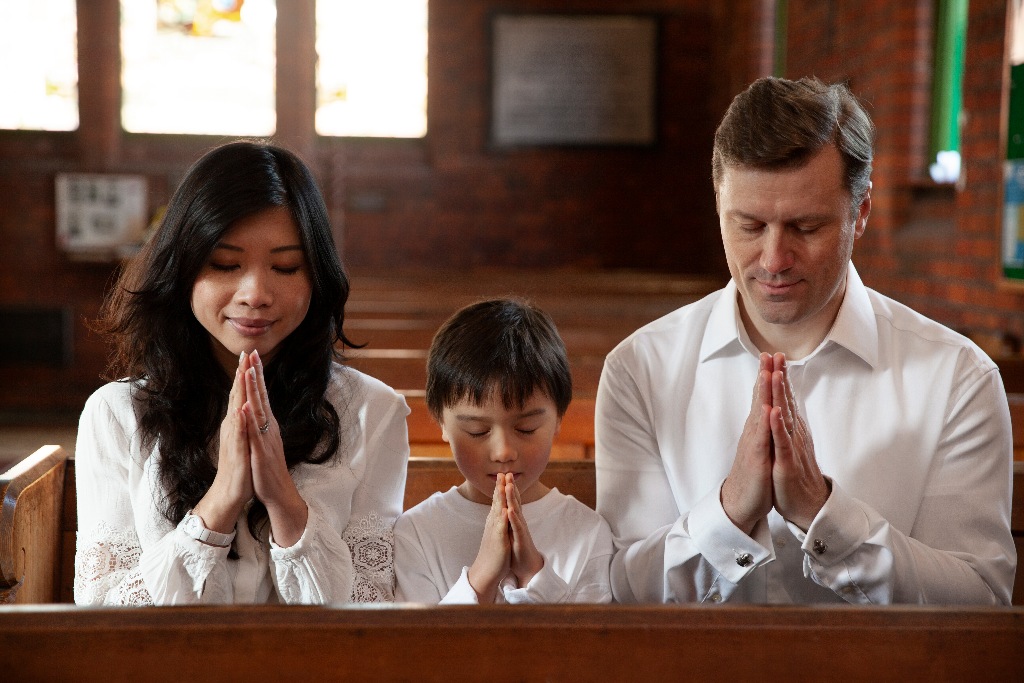
Christianity and Buddhism are two of the world’s major religions, but they have very different beliefs about God, salvation, and the purpose of life. Christianity is centered on faith in Jesus Christ as the Son of God and the only way to salvation, while Buddhism focuses on self-enlightenment and escaping suffering through personal effort.
1. Who is God?
Christianity teaches that there is one God, the Creator of all things. He is personal, loving, and actively involved in our lives.
Christians believe in the Trinity—one God in three persons: Father, Son (Jesus Christ), and Holy Spirit (Matthew 28:19).
Buddhism does not teach belief in a personal God or Creator. Some forms of Buddhism are atheistic, while others acknowledge spiritual beings but do not worship a supreme deity. Instead, Buddhism focuses on following the teachings of the Buddha to reach enlightenment (nirvana).
2. Who is Jesus?
In Christianity, Jesus Christ is the Son of God, the Savior of the world, and the only way to eternal life.
John 14:6says, “I am the way and the truth and the life. No one comes to the Father except through me.”
Jesus died for humanity’s sins and rose from the dead, proving His power over sin and death.
Buddhism does not recognize Jesus as God or Savior. Some Buddhists see Jesus as a wise teacher or enlightened being, but He is not central to their beliefs. Instead, they follow the teachings of Siddhartha Gautama (Buddha), who lived around 500 B.C. and taught people how to overcome suffering through self-discipline and meditation.
3. What is the Purpose of Life?
Christianity teaches that the purpose of life is to know, love, and serve God. Humans were created for a relationship with God, and salvation comes through faith in Jesus Christ. The ultimate goal is eternal life with God in Heaven(John 3:16).
Buddhism teaches that the purpose of life is to escape suffering (dukkha) and reach enlightenment (nirvana) by following the Four Noble Truths and the Eightfold Path. The goal is to break free from the cycle of rebirth (samsara) and achieve inner peace through self-realization.
4. How is Salvation Achieved?
Christianity teaches that salvation is a gift from God, not something we earn.
Ephesians 2:8-9 says, “For it is by grace you have been saved, through faith—and this is not from yourselves, it is the gift of God—not by works.”
Jesus’ death on the cross paid for sin, and those who believe in Him receive eternal life.
Buddhism teaches that salvation (nirvana) is achieved through personal effort, including meditation, right living, and detachment from desires. There is no belief in sin or a need for a Savior—instead, each person must work toward enlightenment through self-discipline.
5. What Happens After Death?
Christianity teaches that there are two eternal destinations—Heaven or Hell. Those who put their faith in Jesus Christ will have eternal life with God, while those who reject Him will face eternal separation (Matthew 25:46).
Buddhism teaches reincarnation, meaning that after death, a person is reborn into a new life based on their karma (the sum of their actions). This cycle continues until they achieve enlightenment and escape samsara (the cycle of rebirth).
Final Thought
Christianity and Buddhism have very different views on God, salvation, and the afterlife. The most important difference is that Christianity teaches salvation through Jesus Christ alone, while Buddhism teaches self-enlightenment through human effort.
The key question is: Do we need a Savior, or can we save ourselves? Christianity teaches that only Jesus can offer true salvation. What do you believe? 🙌✨